
Kelaa
Known for: Long white sandy beaches
- Population (2022)
- 1,117
- Maldivian residents
- 964
- Foreign residents
- 153 (14%)
- Male / Female
- 585 / 532
- From Malé
- 300 km
- Transport
- Domestic Flight, Local Ferry
About
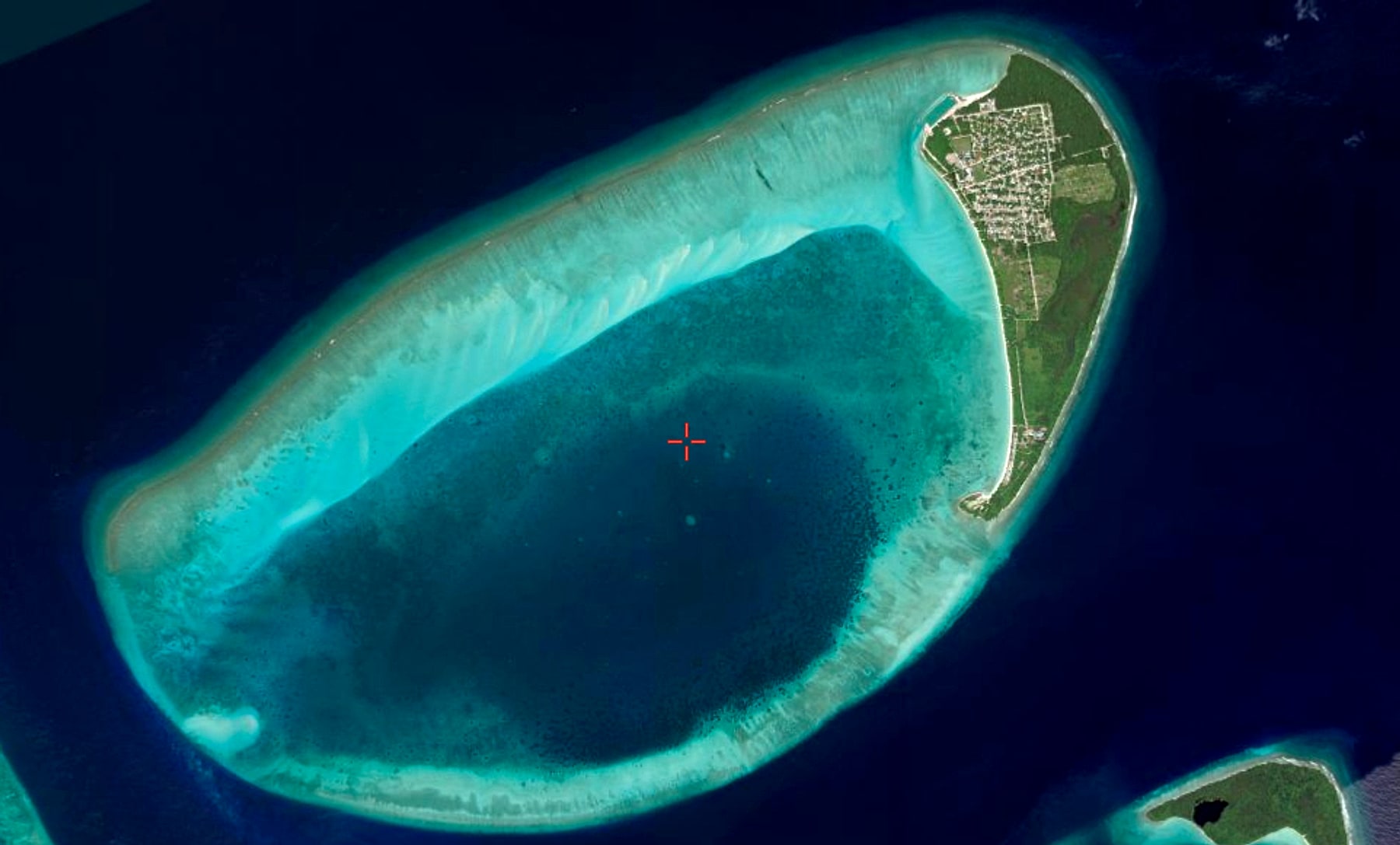
Kelaa sits at the far north of Haa Alif Atoll, on what is geographically part of Thiladhummathi Atoll, some 300 km from Malé. According to the 2022 census, 1,117 people live there. The island covers just over 200 hectares but is fronted by a lagoon many times its own size, and its western shore is lined with the long white sandy beaches the island is known for, while the eastern side is rockier and fringed with coral.
Agriculture has long been the backbone of life on Kelaa, helped by more land and richer soil than many neighbouring islands offer. Crops such as chillies, pumpkins, watermelon, cucumbers, tomatoes and sweet potatoes are grown alongside coconut palms, and in better soil cassava and fruits like custard apple also do well. Fishing, construction and civil service work round out the economy, and tourism has been added more recently, with the first guesthouse opening in 2014 and a handful of small guesthouses now operating on the island.
Kelaa's history includes a brief but significant role in the Second World War, when the British built a temporary RAF base there between 1941 and 1943, used as a refuelling stop for Allied shipping and aircraft; islanders worked at the base and remnants of it, including aircraft wreckage, have survived into recent times. In the 1980s a Japanese-backed radar station was also built on the island, though it was later abandoned by both governments and now stands in disrepair. The 2004 tsunami caused little damage to Kelaa itself, thanks to its position and the surrounding reef system, and the island took in families from nearby Filladhoo, which was far more badly affected.
Important Contacts
Emergency: 119
Police Hotline: 3322111
Family and Child Protection Department: 979 0163
Fire: 118
Ambulance: 102


